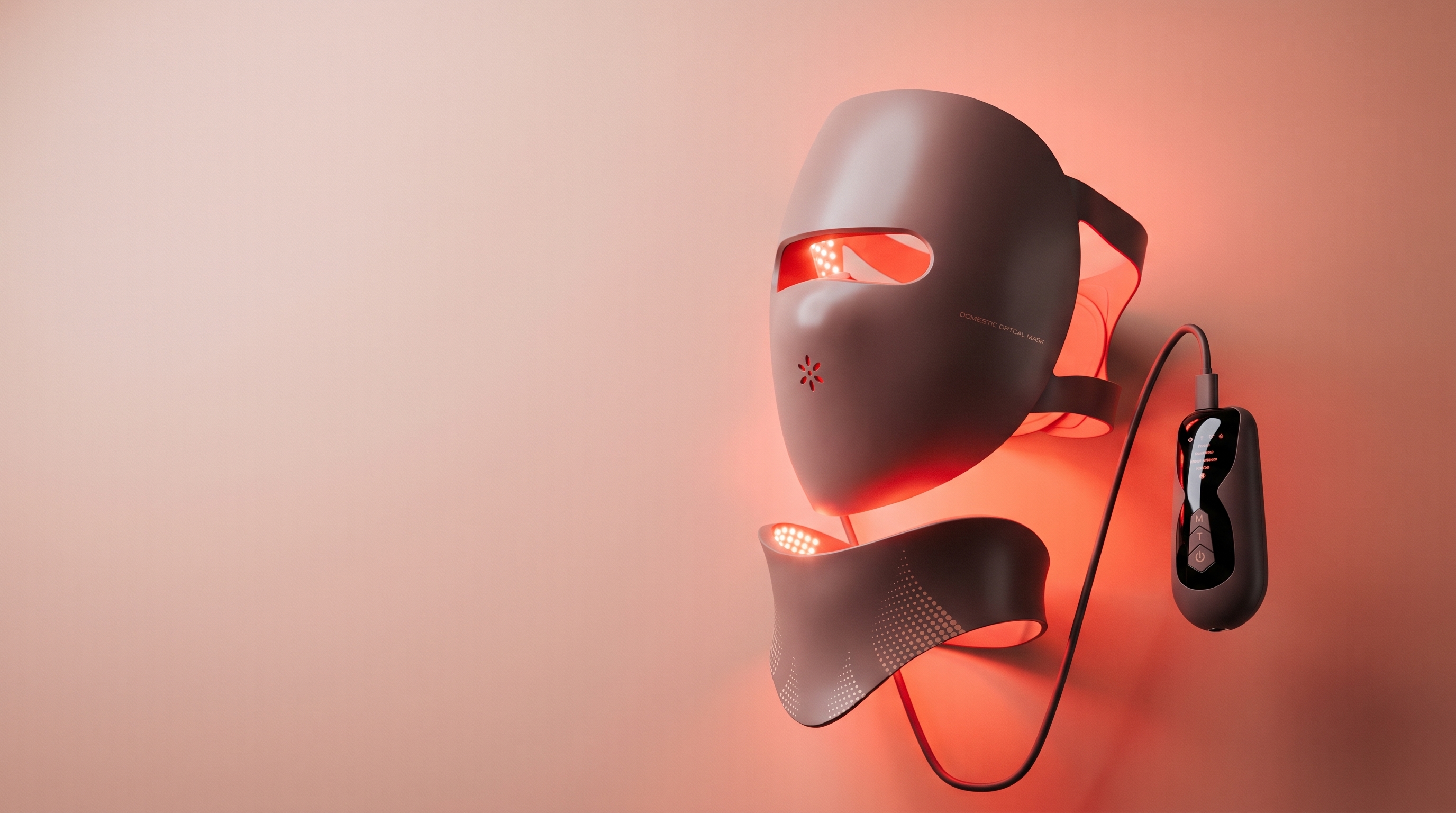
LED Face Mask Safety: Eyes, Sensitive Skin, and Precautions
The short answer: At-home LED use requires device-specific precautions. A mask being sold for home use does not make it suitable for every person, every skin condition, or every medication. Read the supplied manual and ask a qualified clinician when you are unsure.
This guide covers questions to resolve before starting. It does not establish that the Aura Ray mask is safe for your individual circumstances.
Who should ask a dermatologist first?
The American Academy of Dermatology (AAD) advises discussing red-light use with a board-certified dermatologist. Conditions that make skin sensitive to light, such as lupus, and medications that increase light sensitivity may change whether it is appropriate.[1] If you take prescription or over-the-counter medication, ask your prescriber or pharmacist to check it; do not stop a medication to use a skincare device.
Also seek individual advice if you have an eye condition, a history of light-triggered reactions, a recent skin procedure, or persistent irritation. If you are pregnant or breastfeeding, ask your clinician rather than assuming that the absence of a warning is proof of suitability.
Are the eye openings enough protection?
Do not assume so. Aura Ray's design includes open eye windows and a light-blocking contour, but a product design description is not an independent eye-safety assessment. Follow the exact manual for required eye protection, fit, and use. If protective goggles are specified, wear the recommended type every time; the AAD says not to substitute sunglasses.[1]
Avoid looking directly into the LEDs. If the instructions are unclear about eye protection, resolve that question before using the mask. A product demonstration or social-media video is not a safety instruction.
What if I have a darker skin tone or develop dark spots easily?
The AAD specifically recommends that people with darker skin tones consult a dermatologist before using an at-home red-light device. It notes that increased sensitivity to visible light can contribute to hyperpigmentation.[1] A cosmetic mode name such as “Brighten” should never be read as a promise that a device will prevent or correct pigmentation.
A randomized safety study of red LED exposure also reported differing tolerability between participant groups.[2] It studied forearm exposure at particular settings—not the Aura Ray mask—and should not be used to calculate your own facial exposure or session length.
Is more time better?
No reliable rule says that more exposure means better-looking skin. Use the timer and the schedule for your device. Aura Ray's brand-supplied instructions list 5-, 10-, and 15-minute timers and a maximum of 30 minutes per session. The maximum is a limit, not a recommended goal. Do not stack cycles or copy a longer routine from a different device.
What should I do if a session feels uncomfortable?
Stop using the device if you notice pain, burning, unexpected heat, eye discomfort, or a concerning skin reaction. Do not push through discomfort for the sake of consistency. Seek medical advice for persistent symptoms, and prompt care for eye pain or changes in vision. Contact the seller about a suspected device fault.
A simple pre-session checklist
- Read the instructions and any contraindications that came with your exact device.
- Resolve questions about medication, skin conditions, and eye protection first.
- Inspect the mask, cable, and controller for damage.
- Start with clean, dry skin, as directed by Aura Ray.
- Use the correct timer and remain awake and able to stop the session.
- Follow the manual's cleaning and storage instructions after use.
Does LED replace sunscreen or dermatology care?
No. Continue appropriate sun protection and your usual skincare. A home cosmetic device is not a substitute for assessing a new, changing, painful, or persistent skin concern.
Before ordering: Ask Aura Ray for product-use information and review the device and set details. A product-support team cannot provide medical clearance.
Sources and editorial note
- American Academy of Dermatology: Is red light therapy right for your skin?
- Jagdeo and colleagues: Safety of light emitting diode-red light on human skin: two randomized controlled trials. Research on a different exposure setup; not Aura Ray safety certification.
Prepared by Aura Ray Beauty Editorial. General educational information, not personalized medical advice or a claim of clinician review. Product-use details are supplied by the brand; the manual and your clinician's guidance take precedence. Individual results vary. Read more LED skincare guides.
Written by Aura Ray Beauty Editorial